- English
- Español
- Português
- русский
- Français
- 日本語
- Deutsch
- tiếng Việt
- Italiano
- Nederlands
- ภาษาไทย
- Polski
- 한국어
- Svenska
- magyar
- Malay
- বাংলা ভাষার
- Dansk
- Suomi
- हिन्दी
- Pilipino
- Türkçe
- Gaeilge
- العربية
- Indonesia
- Norsk
- تمل
- český
- ελληνικά
- український
- Javanese
- فارسی
- தமிழ்
- తెలుగు
- नेपाली
- Burmese
- български
- ລາວ
- Latine
- Қазақша
- Euskal
- Azərbaycan
- Slovenský jazyk
- Македонски
- Lietuvos
- Eesti Keel
- Română
- Slovenski
- मराठी
- Srpski језик

What Benefits Do Dual-frequency and Dual-receiver Design Bring to Portable DMR Radios?
With the rapid development of digital communication technology, the global portable two-way radio industry is undergoing comprehensive upgrades from single analog voice to integrated digital terminals. DMR (Digital Mobile Radio) devices have gradually become mainstream products in the professional communication and amateur radio markets by virtue of their anti-interference performance, stable signal transmission and diversified extended functions.
Currently, dual-frequency portable radios have become the mainstream configuration in the market. However, most cost-effective entry-level products only adopt a dual-frequency & single-receiver structure. This kind of device can switch between UHF and VHF frequency bands, yet it merely supports receiving one signal channel at a single time. The inherent structural limitation makes it difficult to cater to complex multi-task communication scenarios such as outdoor cross-band scheduling, emergency rescue linkage and multi-team simultaneous communication. Against this industry backdrop, the mature dual-frequency and dual-receiver design has turned into a core upgrading direction for high-end DMR handheld radios.
Core Differences: Single-receiver VS Dual-receiver Structure
To clarify the value of dual-receiver technology, it is essential to distinguish the working principles of two mainstream dual-frequency radio structures. The dual-frequency single-receiver radio is equipped with only one independent receiving channel. When users set two different frequency points, the device can only monitor one channel efficiently, and the other channel will enter standby mode, easily missing key communication information during high-intensity scheduling tasks.
In contrast, the upgraded dual-frequency dual-receiver design integrates two independent and parallel receiving modules inside one compact unit. Equipped with dual-display support, the radio can independently operate on VHF and UHF frequency bands simultaneously. It realizes real-time monitoring and reception of two different frequency signals without manual switching, which is equivalent to integrating two professional radios into one portable device, perfectly solving the functional pain points of traditional single-receiver products.
Four Major Practical Advantages of Dual-frequency & Dual-receiver DMR Radios
The optimized hardware architecture not only improves the basic communication efficiency of portable radios, but also expands the application boundary of DMR terminals, bringing tangible benefits to amateur radio enthusiasts, professional engineering teams and emergency rescue personnel:
- Dual-channel Real-time Monitoring: The independent dual-receiver module supports flexible receiving modes including U+U, V+V and U+V cross-band reception. Users can monitor daily communication channels and emergency backup channels at the same time, effectively avoiding missed important calls caused by frequent manual frequency switching.
- Cross-band Communication & Multi-team Linkage: It supports stable cross-band duplex communication, enabling seamless connection between short-distance UHF indoor channels and long-distance VHF outdoor channels. This feature is highly suitable for large-scale scenarios such as field construction, mountain rescue and group outdoor adventures to realize multi-team collaborative scheduling.
- Lower Equipment Cost & Higher Portability: Instead of purchasing and carrying two separate single-band radios, users can complete multi-frequency communication tasks with one dual-receiver device. It reduces procurement costs for bulk purchasers and relieves the carrying burden for outdoor operators.
- Perfect Compatibility with APRS Positioning System: Matching with the dual-segment APRS positioning function, the radio can process real-time voice calls and satellite positioning data packets synchronously. It ensures unobstructed voice communication while receiving location information, beacon data and environmental parameters, realizing the integration of voice interaction and digital data transmission.
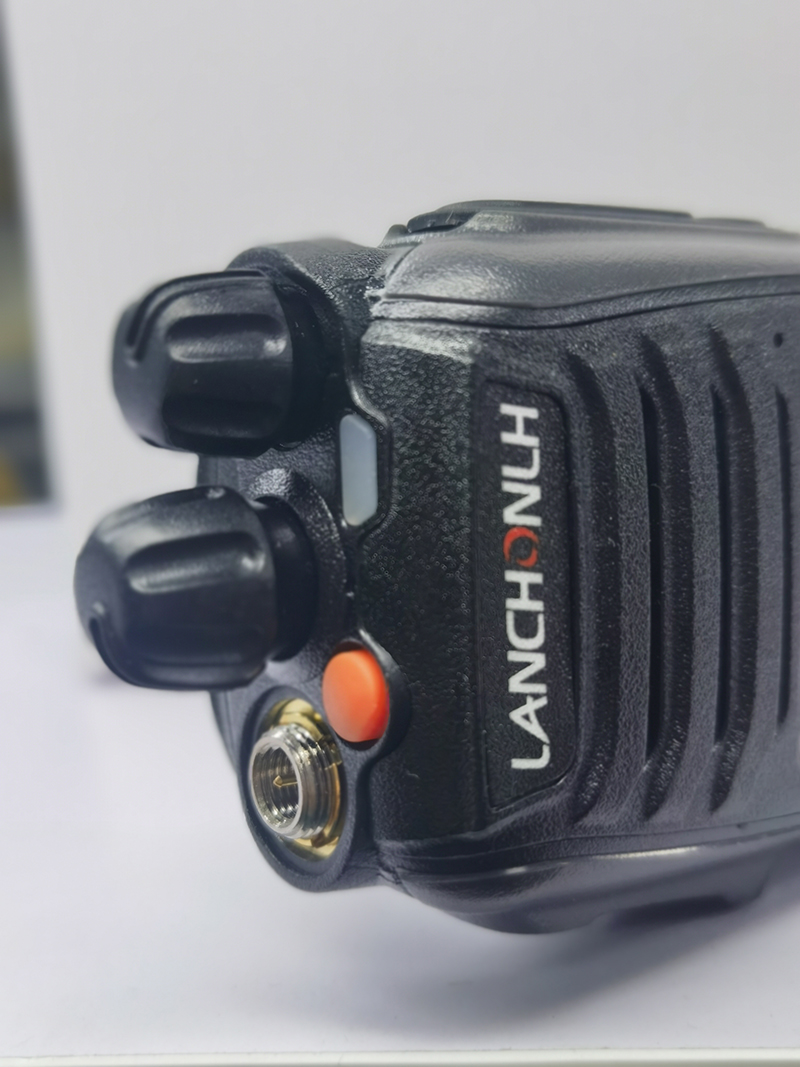
LANCH NLH UV98 Series Handheld DMR Digital Radio
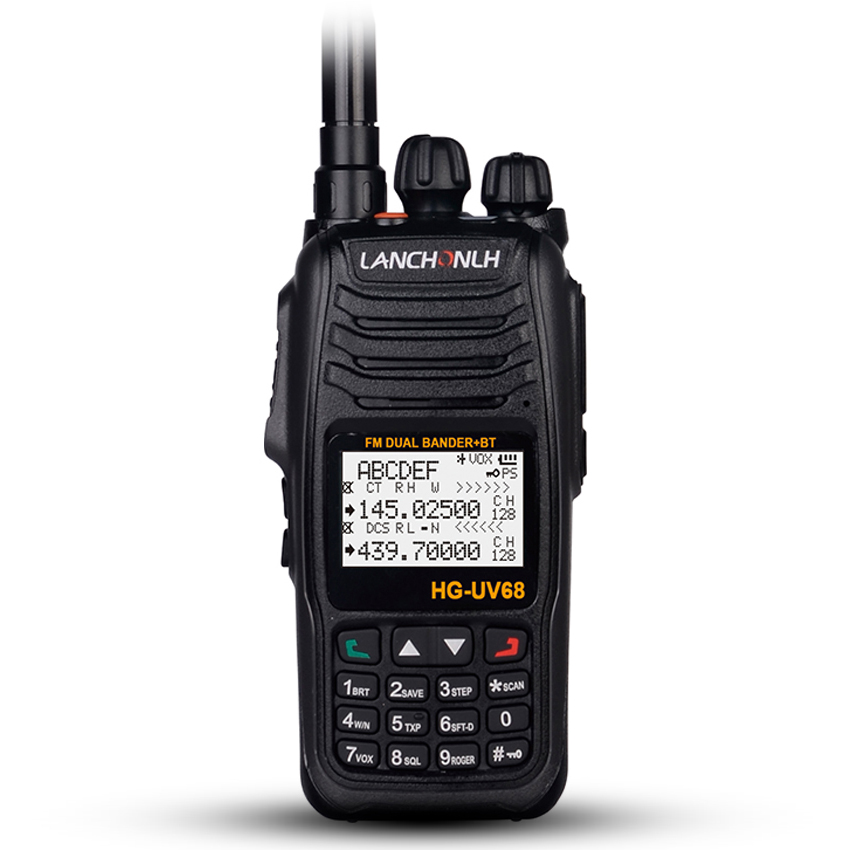
As a professional manufacturer and exporter of DMR digital and analog walkie-talkies, Quanzhou Lianchang Electronics Co., Ltd. launches the high-performance Handheld Digital Radio Dmr Walkie Talkie Interphone, a benchmark product equipped with a complete dual-frequency dual-receiver and dual-display system. Tailored for high-demand communication scenarios, this model fills the performance gap of mid-range portable radios and provides an all-in-one communication solution for global buyers and end users.
Different from ordinary dual-frequency single-receiver products on the market, the UV98 radio adopts a genuine dual-receiver hardware structure and supports dual-frequency watch function. As China’s first dual-segment APRS positioning handheld radio, it combines dual-channel synchronous communication with full-featured APRS system, covering multiple core functions such as multi-satellite positioning, intelligent beacon tracking and Bluetooth protocol linkage.
Rich Built-in Functional Configuration
The UV98 series integrates practical innovative functions on the basis of stable dual-receiver communication:
Complete Technical Specifications
|
Specification Item
|
Detailed Parameters
|
|---|---|
|
Frequency Range
|
TX/RX: 136MHz-174MHz & 400MHz-470MHz
|
|
Output Power
|
VHF: 5W/1W; UHF: 4W/1W
|
|
Channel Quantity
|
128 Storage Channels
|
|
Receiving Structure
|
UHF/VHF Dual-frequency, Dual-display & Dual-receiver
|
|
Frequency Step
|
5KHz/6.25KHz/10KHz/12KHz/25KHz/50KHz/100KHz
|
|
Working Mode
|
F2D/D3E (Digital & Analog Dual-mode)
|
|
Working Temperature
|
-20℃~40℃
|
|
Power Supply
|
7.4VDC
|
|
Overall Dimension
|
131*51*34mm
|
|
Net Weight
|
295g
|
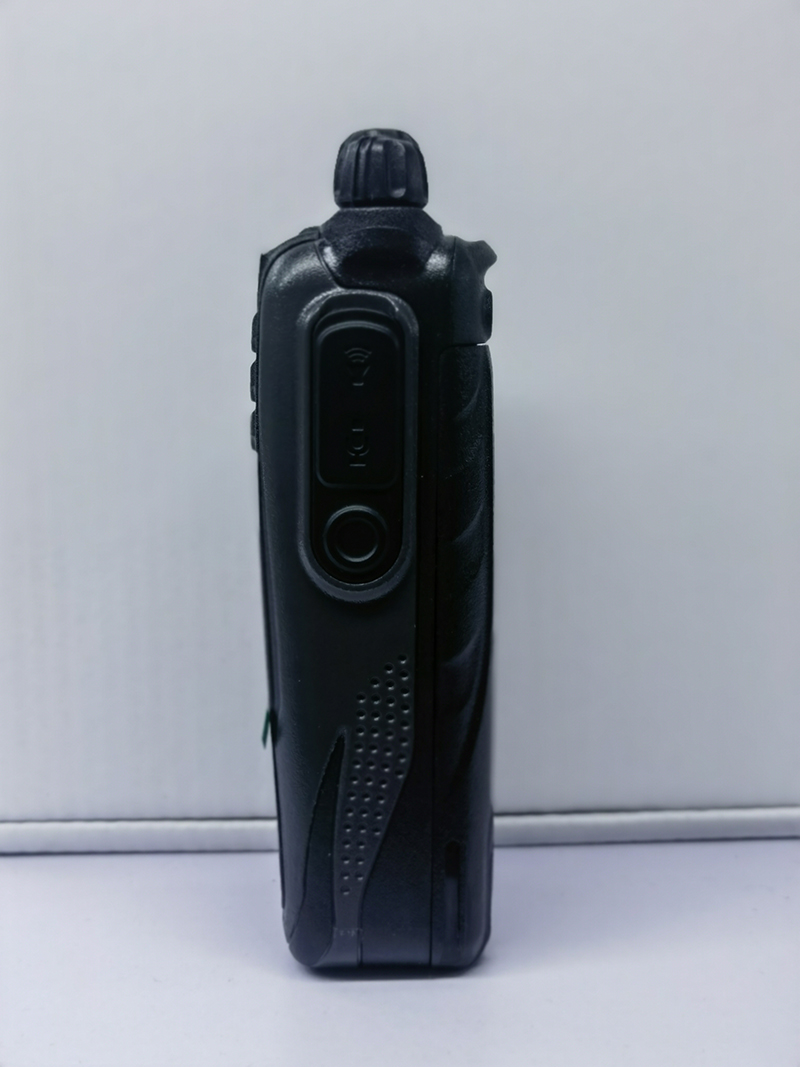
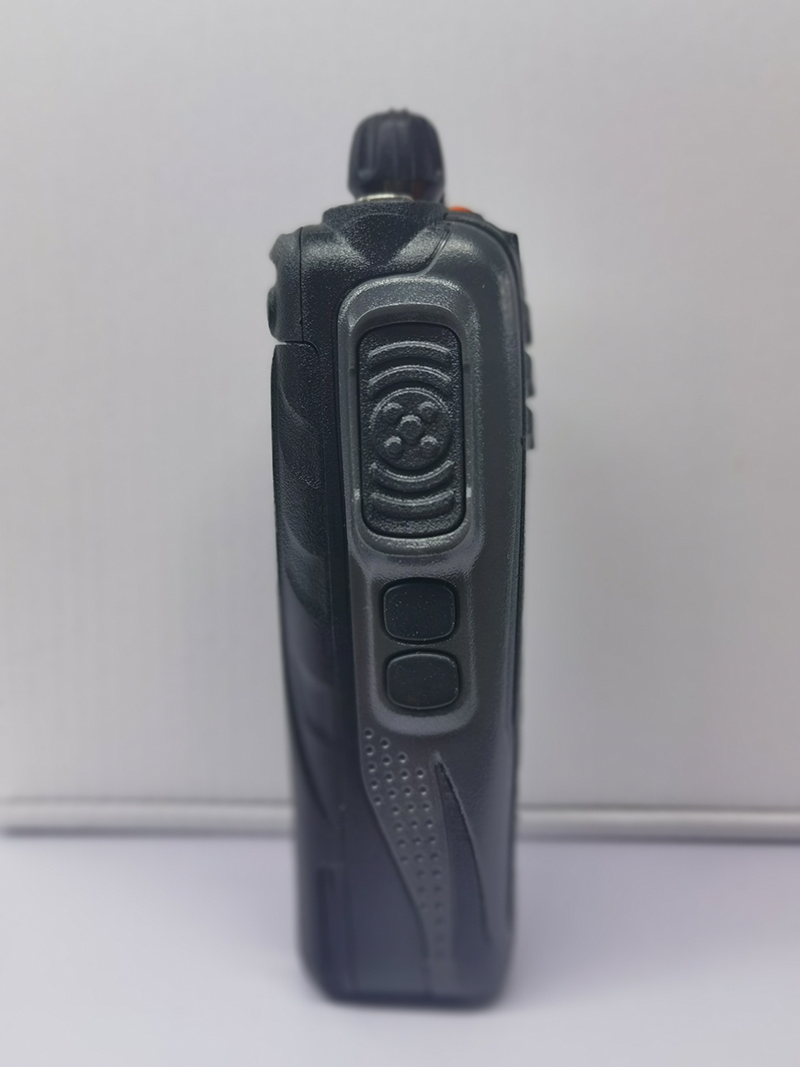
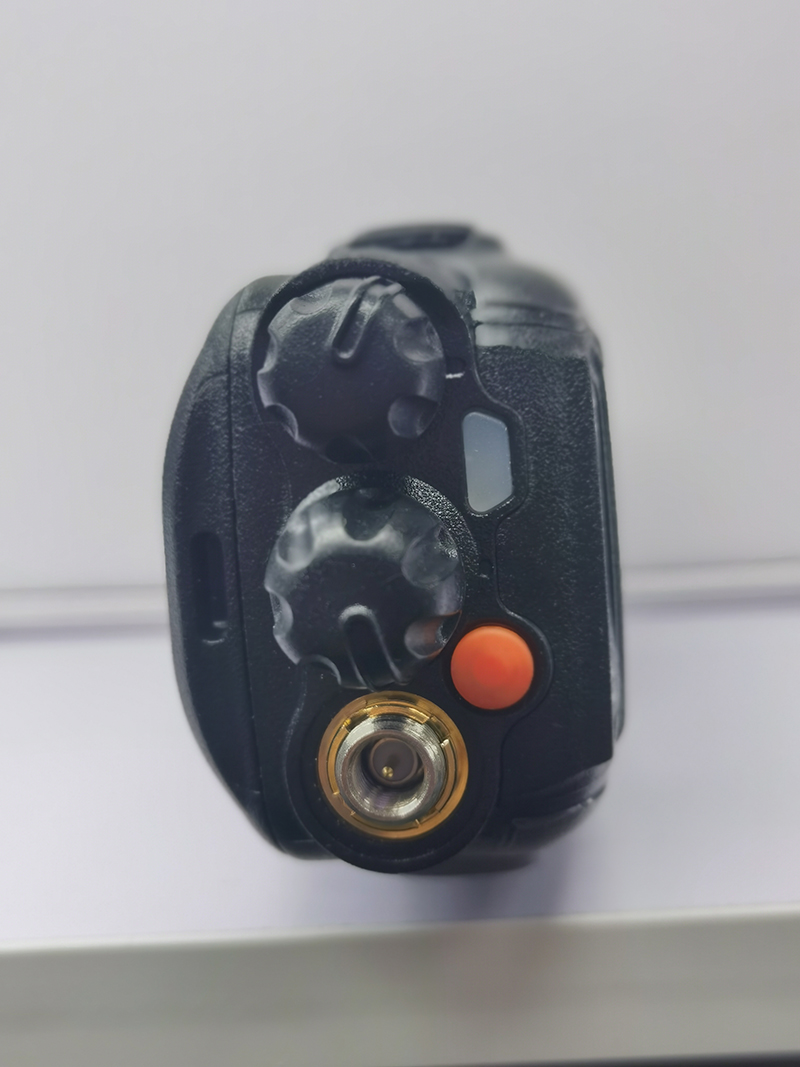
Product Details
Industry Outlook
As professional communication scenarios become increasingly complex and diversified, single-channel dual-frequency radios can no longer meet the demands of high-end users and professional teams. The dual-frequency dual-receiver design will gradually become the mainstream standard for mid-to-high-end DMR portable radios in the next few years. For global bulk purchasers and terminal users, upgrading to dual-receiver products is the most effective way to improve communication efficiency, reduce equipment costs and strengthen emergency response capabilities. Welcome to contact LANCHONLH for our quality Handheld Digital Radio Dmr Walkie Talkie Interphone with reliable hardware performance and comprehensive digital functions.